ServicesCommercial Trucking Insurance
Commercial Trucking Insurance in Mableton
We put together the coverage a motor carrier needs to run: primary liability, cargo, physical damage and the filings that keep your MC authority active. You get a realistic timeline for the quote and the paperwork, and we tell you early when an underwriter changes the plan.
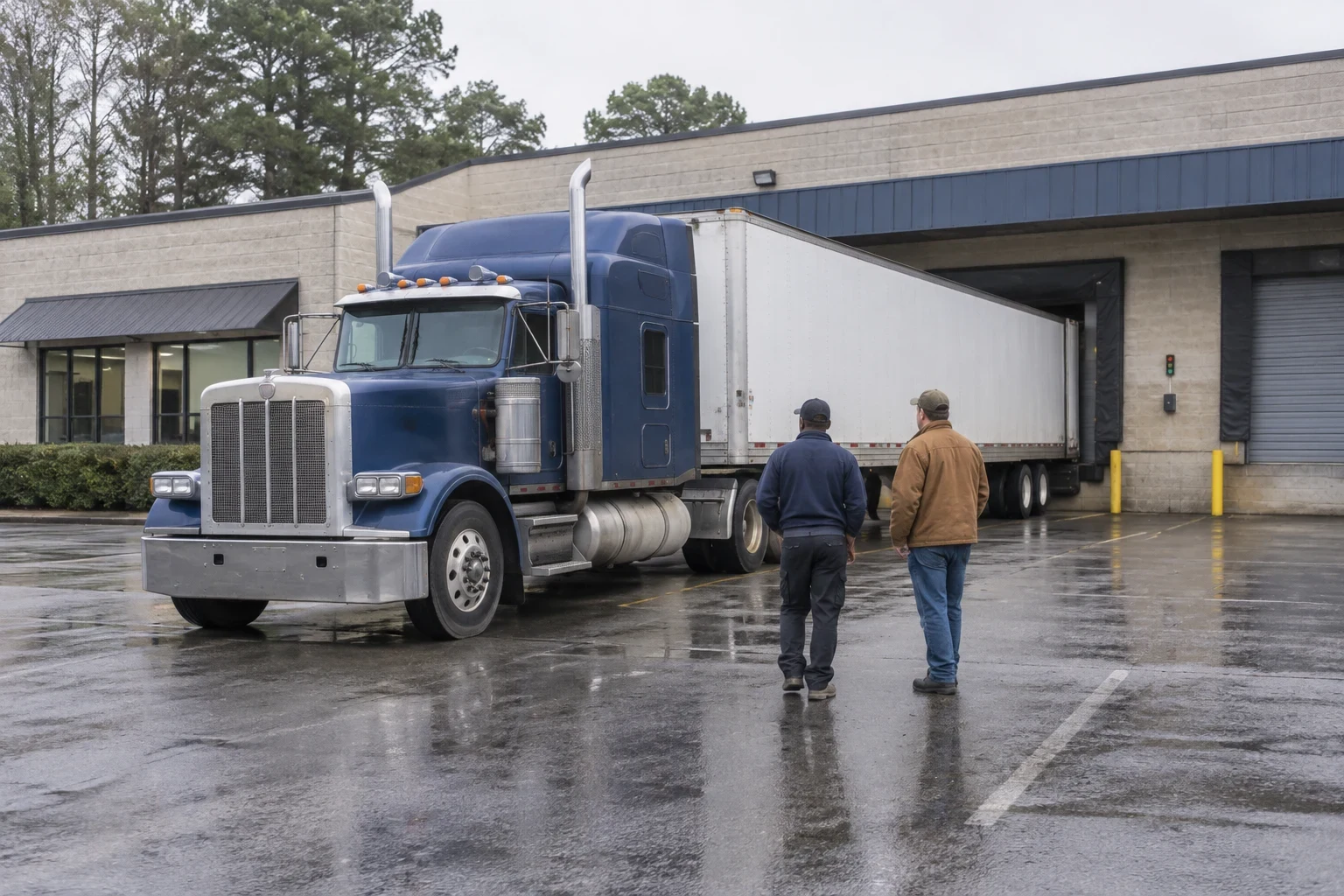
One policy picture for your whole operation
Commercial trucking insurance is the set of coverages a for-hire or private carrier carries to stay legal and stay working. For most operations that means primary auto liability, motor truck cargo and physical damage on your trucks, plus pieces like trailer interchange or bobtail coverage when your contracts call for them.
We work with owner-operators, new-authority carriers, small fleets, and hotshot, box truck and dump truck businesses. We have been in business 5 years and are licensed for property and casualty insurance, so we can quote, place and service the policy ourselves instead of handing you off.
The part most carriers tell us they want is predictability. Before we start shopping, we tell you how long each step usually takes, what could slow it down, and when you will hear from us next.
What we arrange for you
Primary liability and filings
We place primary auto liability at the limits your authority and your shippers require, then file the federal and state paperwork tied to your DOT number. You know the day it goes out, so you are not guessing when you can dispatch.
Cargo coverage that matches your freight
We read the commodity exclusions before you sign. Reefer breakdown, unattended vehicle and high-value loads are where cargo claims tend to get denied, so we check those against what you actually haul.
Physical damage on your trucks
Collision and comprehensive on tractors, trailers and straight trucks, valued at what the equipment is worth today. We walk through deductible choices and how each one moves your premium.
Add-ons when contracts ask for them
Trailer interchange for pulling someone else's trailer, and non-trucking liability for leased owner-operators running bobtail. We only add them when your agreements or your work call for it.
Certificates of insurance
Brokers, shippers and lessors will ask for certificates, often on short notice. We issue them with the correct certificate holder and the endorsement wording your contract asks for, so your load is not held up at the dock.
Signs it is time to review your trucking coverage
Your authority is waiting on insurance
A new MC authority cannot go active until the liability filing posts. If your target start date is close, the quote needs to start now.
A renewal notice raised more questions than it answered
A sharp premium jump or a nonrenewal letter gives you a limited window. We look at why it happened and what other markets will offer before the policy lapses.
A broker wants higher limits
Many brokers require cargo or liability limits above what you carry. Raising them mid-term is usually simple once we know the contract's exact wording.
You are adding a truck or a driver
New units and new drivers have to be scheduled on the policy before they run. A driver's record can change the price, so we check it first.
You are leasing on or going independent
Moving between a lease and your own authority changes who carries the primary liability. Getting the timing wrong leaves a gap, so we line up the end of one policy with the start of the next.
How a quote comes together
- 1
A first conversation
By phone, by video or at our office, we go over your operation: DOT number, trucks and VINs, drivers, radius, freight and any contract requirements. If you have loss runs from a prior insurance company, have them nearby.
- 2
A timeline before we shop
We tell you which carriers we plan to approach and roughly how long each tends to take to respond. New-authority and higher-risk files usually take longer, and we say so up front.
- 3
Quotes laid out side by side
We show you limits, deductibles, exclusions and premium for each option in plain terms. If an underwriter asks for more information or pulls back, you hear from us that day instead of at the deadline.
- 4
Binding, filings and certificates
Once you choose, we bind coverage, file the paperwork your authority depends on and send the certificates your brokers need. We confirm each one with you as it goes out.
- 5
Through the policy year
Truck changes, driver changes and certificate requests go through us. Well ahead of renewal, we review the file so there is time to compare markets.
What shapes your premium
Trucking premiums are built from how, where and what you run. We cannot give a number until underwriters see your details, but we can tell you which factors carry the most weight for your file and what you can change.
- Drivers and their records
- Years of CDL experience, recent violations and accidents weigh heavily. One driver with a rough record can lift the price for the whole fleet.
- Radius and freight
- Long-haul runs and commodities like hazmat, autos or high-value goods cost more to insure than local hauling of general freight.
- Equipment value and deductibles
- Newer, higher-value trucks raise physical damage premiums. A higher deductible lowers the premium, but only makes sense if you can cover it after a loss.
- Authority age and loss history
- Carriers with fewer than two years of authority or recent claims see fewer markets willing to quote. Clean loss runs and steady safety scores open more options over time.
- Where the trucks are garaged
- Garaging location affects rates. Trucks parked in Mableton and working the metro corridors are rated differently from those based in rural counties.
Questions about commercial trucking insurance
Something not covered here? (770) 338-6428
How long until I am covered and can run loads?
It depends on your file. A straightforward renewal for an established carrier moves faster than a new authority with no history. We give you a realistic estimate on the first call and update you if an underwriter's timeline slips. Filings take a little time to show up on the federal system after we file them, and we tell you the day they go out.
What should I have ready before I call?
Your DOT and MC numbers if you have them, truck and trailer VINs, driver license details, the types of freight you haul and how far you run. Loss runs from your current or past insurance company help a great deal. If you are missing something, we can still start and fill it in as we go.
Do I need cargo coverage if I am leased to a carrier?
Often the motor carrier you are leased to provides the primary liability, but cargo and physical damage may be your responsibility. Your lease agreement spells it out. We read it with you and quote only what you actually need, along with non-trucking liability if the lease requires it.
Can we meet in person?
Yes. You can come by our office, or we can handle everything by phone or video if you are on the road. Many carriers from Austell, Smyrna and the wider Atlanta area work with us entirely by phone.
What happens if a carrier backs out after quoting?
It happens, especially with newer authorities or tougher freight. We tell you right away, explain why if the underwriter gives a reason, and move to the next market we lined up. That is why we approach more than one carrier from the start.
Plan your coverage around your start date
Tell us when your trucks need to roll, and we will map out the quote, the filings and the certificates against that date. If anything shifts along the way, you will hear it from us first.