ServicesTrailer Interchange Insurance
Trailer Interchange Insurance in Mableton
When you sign an interchange agreement, the trailer becomes your responsibility the moment it leaves the yard. We place coverage that pays for physical damage to that trailer, match the limit to what the agreement requires, and give you a clear timeline for the certificate before your first load.
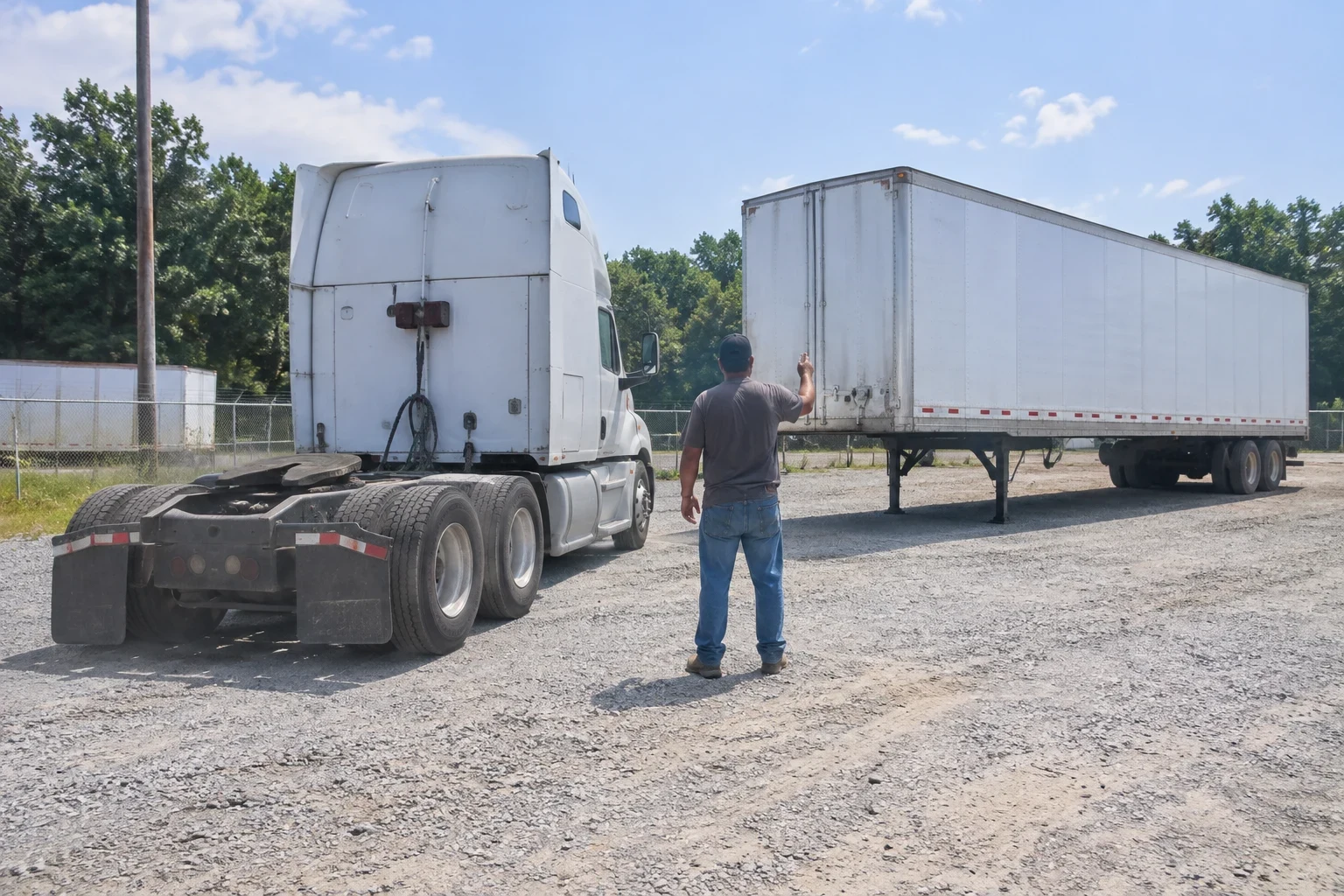
What this coverage does and when you need it
Trailer interchange insurance pays for physical damage to a trailer you do not own while it is in your care under a written interchange agreement. That usually means collision, fire, theft and similar losses. If a borrowed dry van gets backed into a pole or a chassis is stolen from a drop lot, this is the policy that answers to the trailer's owner.
It is most common for drayage and intermodal carriers swapping equipment at rail ramps and ports, and for motor carriers who trade trailers with another company to keep loads moving. The agreement spells out who is liable and for how much, and most will not release equipment until a certificate of insurance shows the right coverage.
We have spent 5 years in business working with carriers around Mableton and the wider Atlanta area, and the timing of these agreements is where most of our attention goes. A missing endorsement can hold a trailer at the gate for days, so we plan the paperwork backward from your start date.
What we handle for you
Reading the agreement first
We go through your interchange agreement before quoting. The required limit, deductible terms and named parties all come from that document, not from a guess.
Matching the limit to the equipment
A 53-foot reefer and a basic container chassis carry very different values. We set the limit per trailer so it covers what you actually pull.
Certificates and additional insureds
Many equipment providers want to be listed on the certificate. We tell you how long that takes with the carrier and confirm when it has gone out.
Fitting it with your other policies
Interchange coverage sits alongside your primary auto liability and motor truck cargo policies. We check that the pieces line up so there is no gap between the trailer, the freight and the people around you.
Updates when plans change
If you add a new interchange partner or switch equipment types midyear, we walk through the change and give you a realistic date for the revised paperwork.
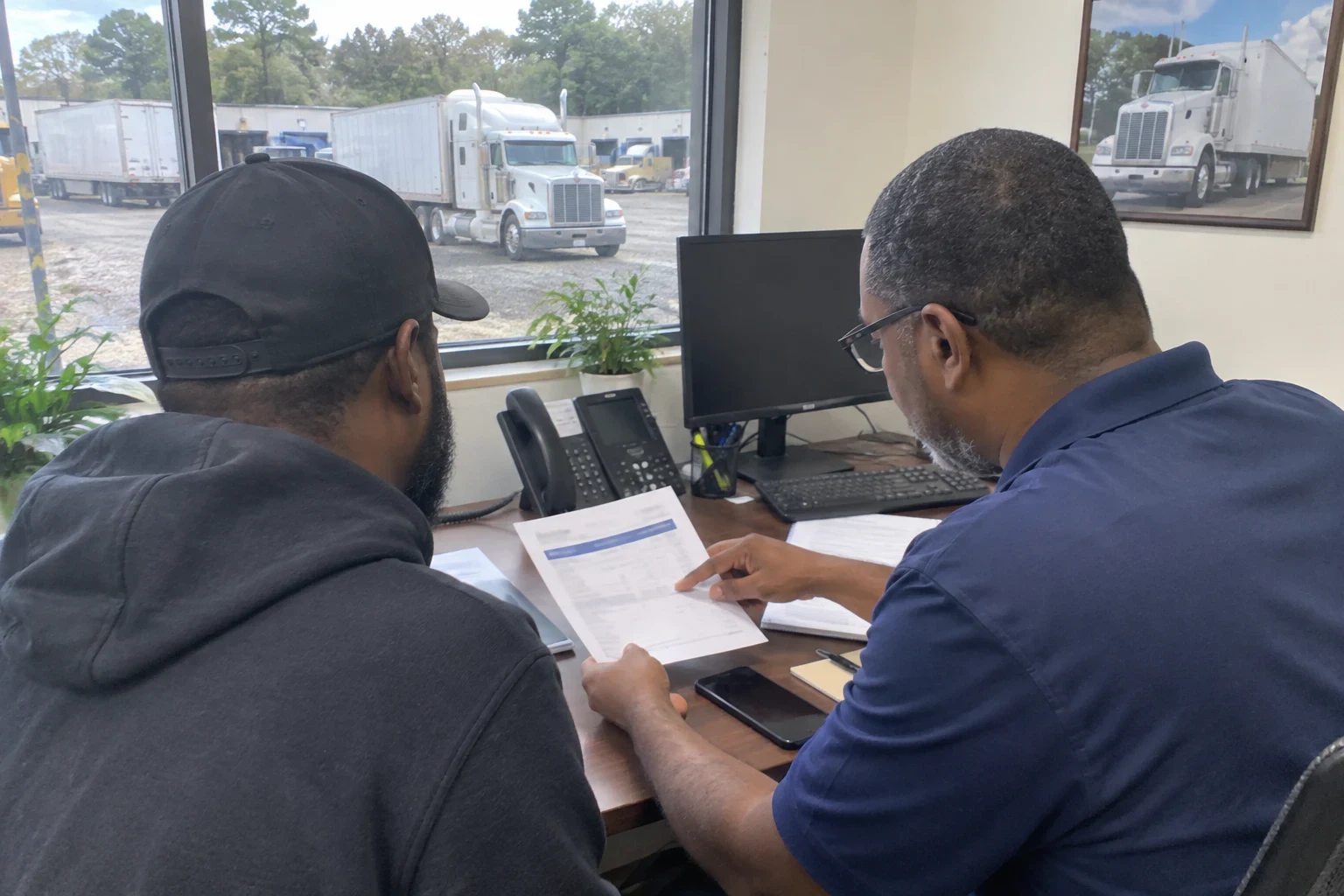
Signs you need trailer interchange coverage
- You signed an interchange agreement
- Any written agreement that makes you responsible for another party's trailer is the clearest signal. Without this coverage, a loss comes out of your operation's pocket.
- A yard asked for proof before release
- Rail ramps and equipment providers often hold trailers until they see a certificate with interchange listed. If you heard that at the gate, call before your next pickup.
- You are starting drayage or intermodal work
- Container hauling almost always runs on interchange agreements. Setting coverage up early keeps your first week from stalling on paperwork.
- Your physical damage policy names only your trucks
- Physical damage insurance typically covers equipment you own. A borrowed trailer usually needs its own coverage.
How we set it up, step by step
- 1
A conversation about your operation
We talk by phone, by video or at our office about the trailers you pull, who owns them and where they sit overnight. Have your DOT number, MC authority and the agreement handy.
- 2
Quotes from carriers that write it
We take your details to the insurance companies that offer interchange coverage. We give you an honest estimate of how long answers take, and we call if one runs late.
- 3
Review the options with you
We lay out limits, deductibles and premium side by side, and point out any exclusions that matter for your equipment. You choose with the facts in front of you.
- 4
Binding and the certificate
Once you decide, we bind the policy and request the certificate of insurance for each party who needs it. You get a confirmed date rather than a vague promise.
What moves the premium
The price depends on how much trailer you are responsible for and how likely a loss is. Every agreement and every operation is different, so we quote from your details rather than a chart. These are the factors that weigh most.
- Limit per trailer
- Higher-value trailers, such as refrigerated units, need a higher limit and cost more to cover than a standard chassis.
- How many trailers at once
- Carriers who may have several interchanged trailers in their care at the same time need coverage that reflects that exposure.
- Deductible
- A higher deductible lowers the premium, but it has to be an amount your operation can comfortably pay after a loss.
- Driving record and loss history
- Clean driver records and few past claims usually mean a better premium. Recent trailer claims weigh heavily.
- Where trailers are parked
- Trailers dropped in open lots carry more theft risk than ones kept in a secured yard, and carriers price that difference.
Trailer interchange questions we hear often
- How is this different from non-owned trailer coverage?
- Trailer interchange applies when there is a written agreement between you and the trailer's owner. Non-owned trailer coverage is meant for trailers you pull without that kind of agreement. Many carriers need one or the other, and some need both. We help you sort out which fits how you work.
- Does trailer interchange cover the freight inside?
- No. It covers damage to the trailer itself. The load is protected by motor truck cargo insurance, which we can quote at the same time so both are ready together.
- Does it cover damage I cause to other vehicles?
- No. Damage to other people and their property falls under your primary auto liability policy. Interchange coverage is only for the trailer in your care.
- I am an owner-operator leased to a carrier. Do I need my own?
- It depends on your lease. Some motor carriers cover interchanged trailers on their policy, while others require the owner-operator to carry it. We read your lease with you and tell you plainly where you stand.
- Who are we working with on this?
- We are licensed for property and casualty insurance and have been in business 5 years. You talk with us directly by phone, video or in person at our office.
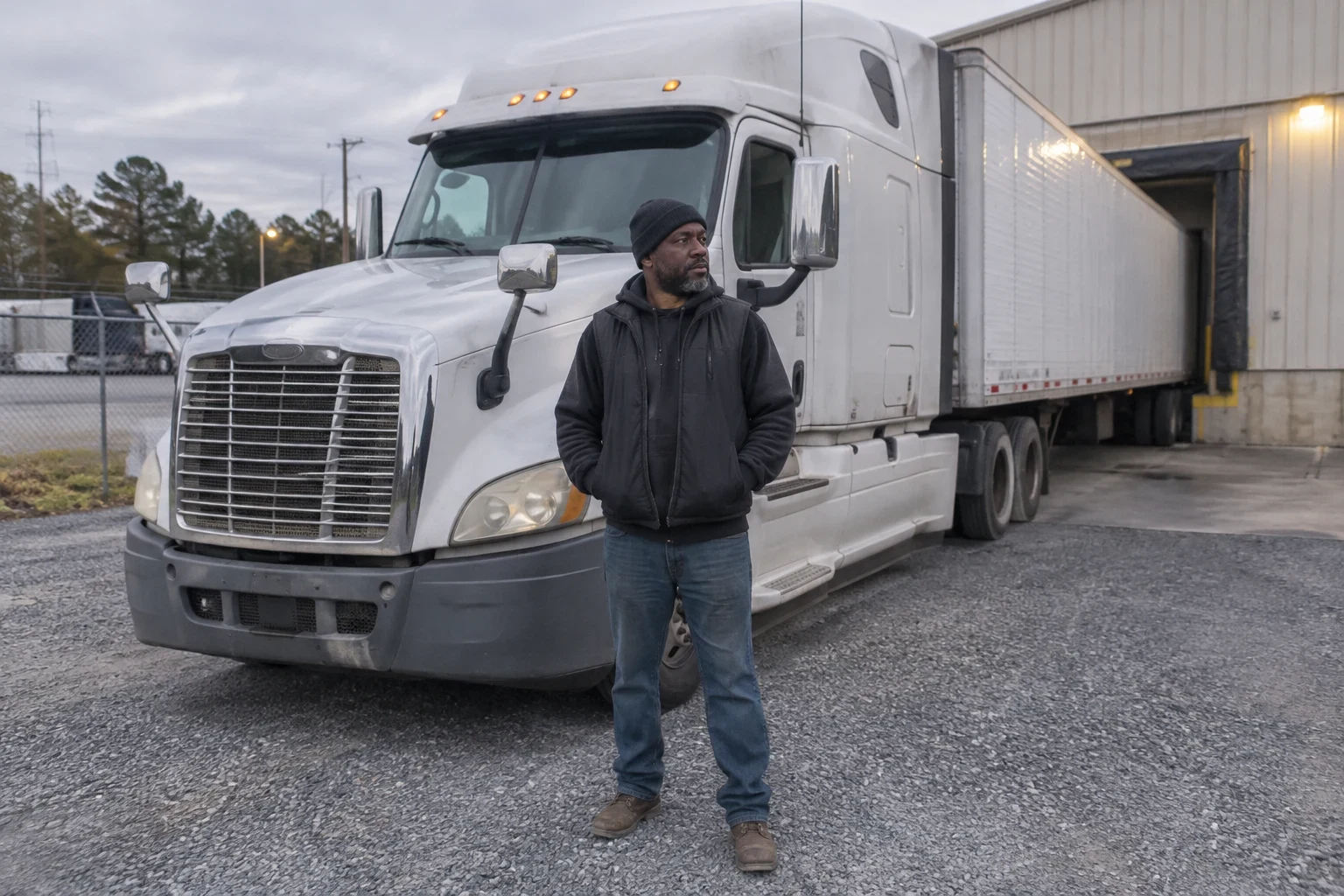
Get the trailer covered before the pickup date
Tell us when your first interchanged load is scheduled, and we will work backward from that date. You will know what to expect at each step and hear from us if anything shifts.