ServicesPrimary Auto Liability
Primary Auto Liability Insurance in Mableton, GA
Primary auto liability pays for injuries and property damage your truck causes to other people. It is also the coverage your MC authority depends on. We place it, handle the filings, and tell you plainly how long each step will take, so you can book loads with confidence.
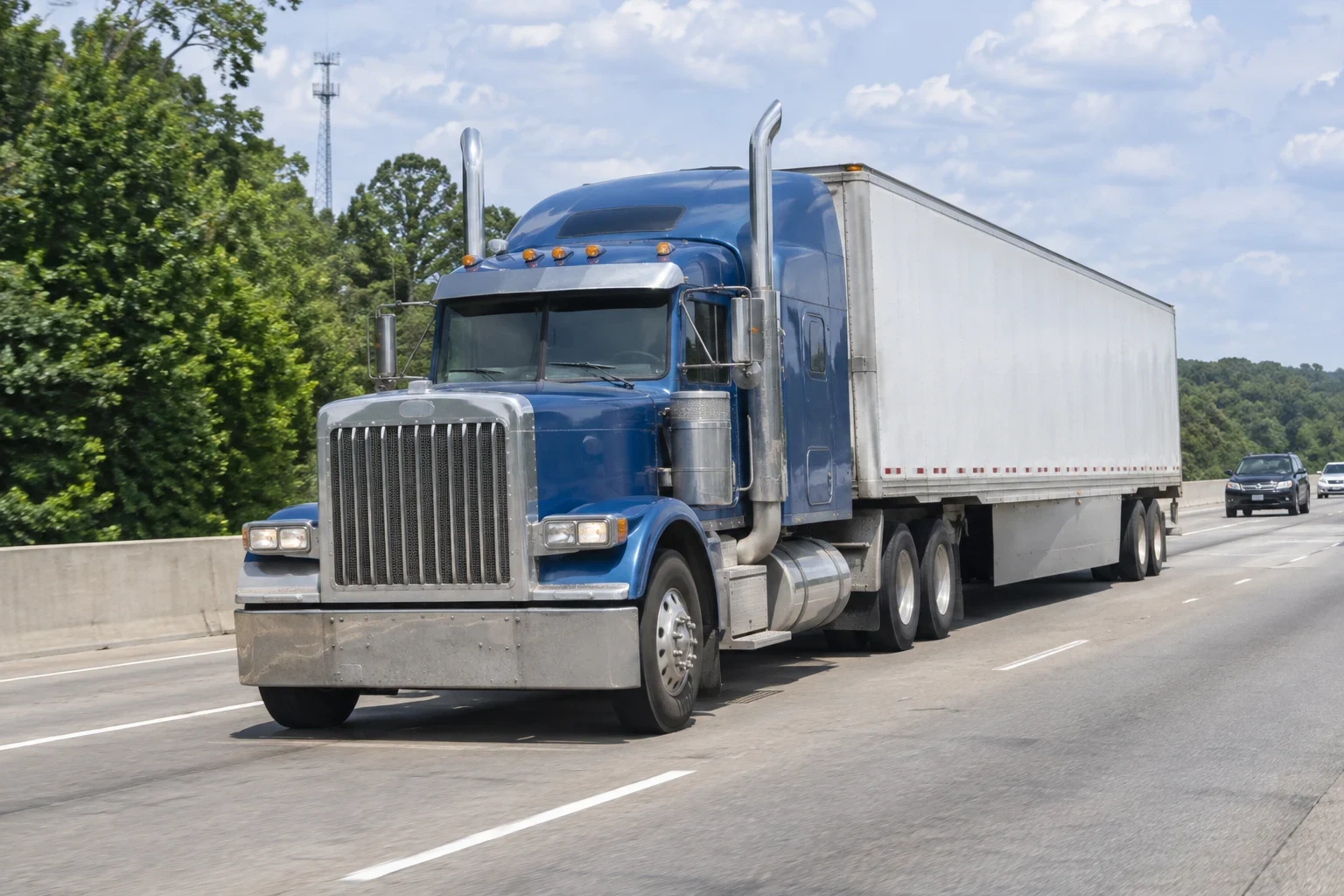
The coverage everything else rests on
If your truck is involved in a crash that injures someone or damages their vehicle or property, primary auto liability is the policy that responds. For a motor carrier operating under its own authority, it is not optional. FMCSA requires proof of it before your MC authority goes active, and brokers and shippers will ask for a certificate of insurance before they hand you a load.
We are licensed for property and casualty insurance and work with owner-operators, new carriers and small fleets around Mableton, Austell and Smyrna. Most of our conversations happen by phone or video, with the office available when you would rather sit down in person.
What we offer beyond the policy itself is a clear sense of timing. You will know when an underwriter is likely to answer, when a filing should post, and what could slow it down. If something changes, we call you rather than letting you find out from a broker.
What we handle with your liability policy
Limits matched to your freight
Federal minimums depend on what you haul, and many brokers ask for more than the minimum. We look at your commodities and the contracts you want, then quote limits that actually open those doors.
Federal and state filings
Your insurer files the BMC-91 or BMC-91X with FMCSA to prove coverage. We confirm the filing is submitted, watch for it to post, and let you know when your authority can move forward. Intrastate Georgia work may need a separate state filing, and we sort that out too.
MCS-90 endorsement
This federally required endorsement is attached to for-hire interstate liability policies. We make sure it is on your policy so you are not caught out at a roadside inspection or audit.
Certificates of insurance
Brokers, shippers and facilities each want their own certificate. We issue them with the correct holder names and limits, and we tell you roughly how quickly to expect them so you can promise a load with confidence.
Driver and unit changes
Adding a driver or swapping a truck changes your policy. We explain what the underwriter needs and how long approval usually takes, so a new hire is not left waiting in the yard.
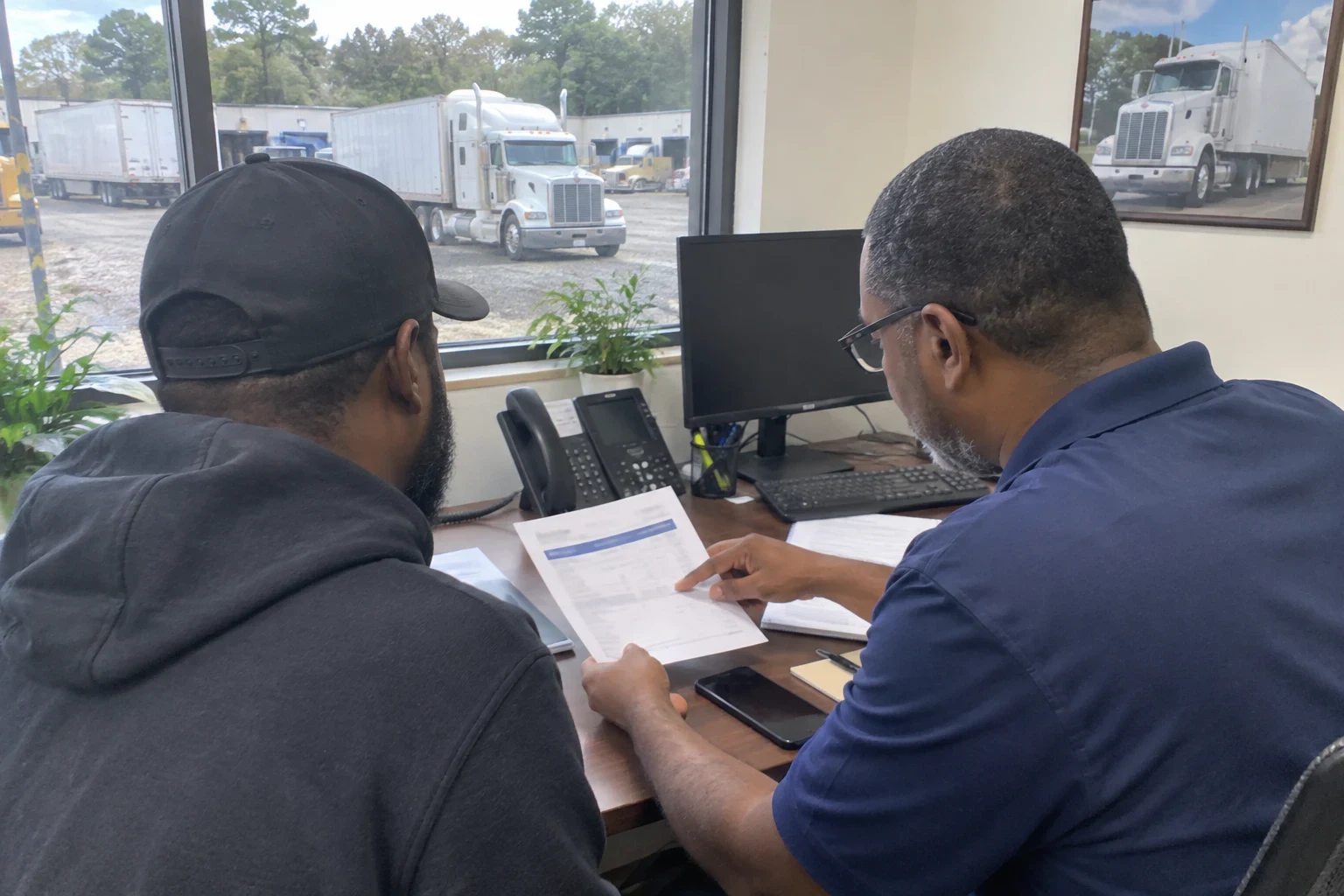
Signs it is time to review your liability coverage
- Your new authority is waiting
- Your MC number is assigned, but FMCSA shows it as pending insurance. Nothing activates until a liability filing is on record.
- A broker wants a higher limit
- You have found good freight, but the broker's setup packet asks for more coverage than you carry. Raising a limit midterm is common and worth pricing before you turn the load down.
- You are leaving a lease
- Owner-operators coming off a carrier's authority often ran under that carrier's liability. Running under your own authority means you need your own primary policy, filed and active before day one.
- A non-renewal or cancellation notice arrived
- Insurers notify FMCSA when coverage ends, and a lapse can put your authority at risk. The earlier we start, the more markets we can approach.
- Your operation is changing shape
- A wider radius, a new commodity or more trucks can all affect your liability rating. A quick review now prevents a surprise at audit or renewal.
How a liability placement runs, start to finish
- 1
A first conversation
We talk by phone about your operation, what you haul, where you run and when you need coverage active. You leave the call knowing which documents we will need and a realistic window for the quote.
- 2
Gathering the details
Usually that means your DOT number, driver licenses and experience, VINs, and loss runs from any prior insurer. If something is missing, we explain how it affects the timeline rather than leaving the file stalled.
- 3
Shopping and reviewing quotes
We approach markets that write your type of trucking, then go through each quote line by line: limits, endorsements, radius, listed drivers and any exclusions. If an underwriter asks a follow-up question, we let you know the same day it comes in.
- 4
Binding, filing and certificates
Once you choose, we bind the policy, confirm the federal filing has been submitted and issue your first certificates. We stay in touch until the filing shows on FMCSA's records, because that is the moment your authority can move.
What shapes your liability premium
Primary auto liability is often the largest part of a trucking insurance bill, and underwriters price it on risk they can measure. We walk you through which factors are fixed and which ones you can influence. Nothing here is a guess dressed up as a number. Your actual premium comes from the quotes we gather.
- Driver experience and records
- Years holding a CDL, recent violations and accident history weigh heavily. A single new driver with a thin record can move the premium for the whole policy.
- Time under your own authority
- New authorities carry no track record, so markets are fewer and rates are firmer. Clean years and favorable loss runs open more options at renewal.
- Radius and commodity
- Local hauling within a short radius rates differently from long-haul interstate work. Freight types with higher risk, or those requiring higher federal limits, raise the cost.
- Limits and safety scores
- Higher limits cost more, though often less than people expect. Inspection results and CSA scores also matter, and a clean inspection history helps.
- Equipment and garaging
- The type of truck, how many units you run and where they are parked overnight all factor into the rating.
Questions carriers ask about primary liability
- How long until my filing shows up with FMCSA?
- After the policy is bound and the insurer submits the filing, it commonly takes a few business days to appear, though timing varies by insurer. We tell you what to expect for your specific carrier and confirm when it posts. Your authority still has its own waiting period, so we plan both together.
- Does primary liability cover damage to my own truck?
- No. It pays for injuries and damage you cause to others. Damage to your own equipment is handled by physical damage insurance, and the freight you carry falls under motor truck cargo insurance.
- I am leased to a carrier. Do I need this?
- Usually the motor carrier you are leased to provides primary liability while you are under dispatch. What you may need instead is non-trucking liability, sometimes called bobtail coverage, for when you are off dispatch. We can review your lease agreement with you and point out what it actually requires.
- Can I raise my limit in the middle of the policy term?
- In most cases, yes. The insurer adjusts the premium for the rest of the term and we issue new certificates showing the higher limit. We give you a realistic sense of how quickly the change can be approved before you commit to the broker.
- How long have you been doing this?
- We have been in business 5 years, working with owner-operators, new carriers and small fleets throughout the area. Primary liability is part of nearly every account we write, from single hotshot trucks to fleets.
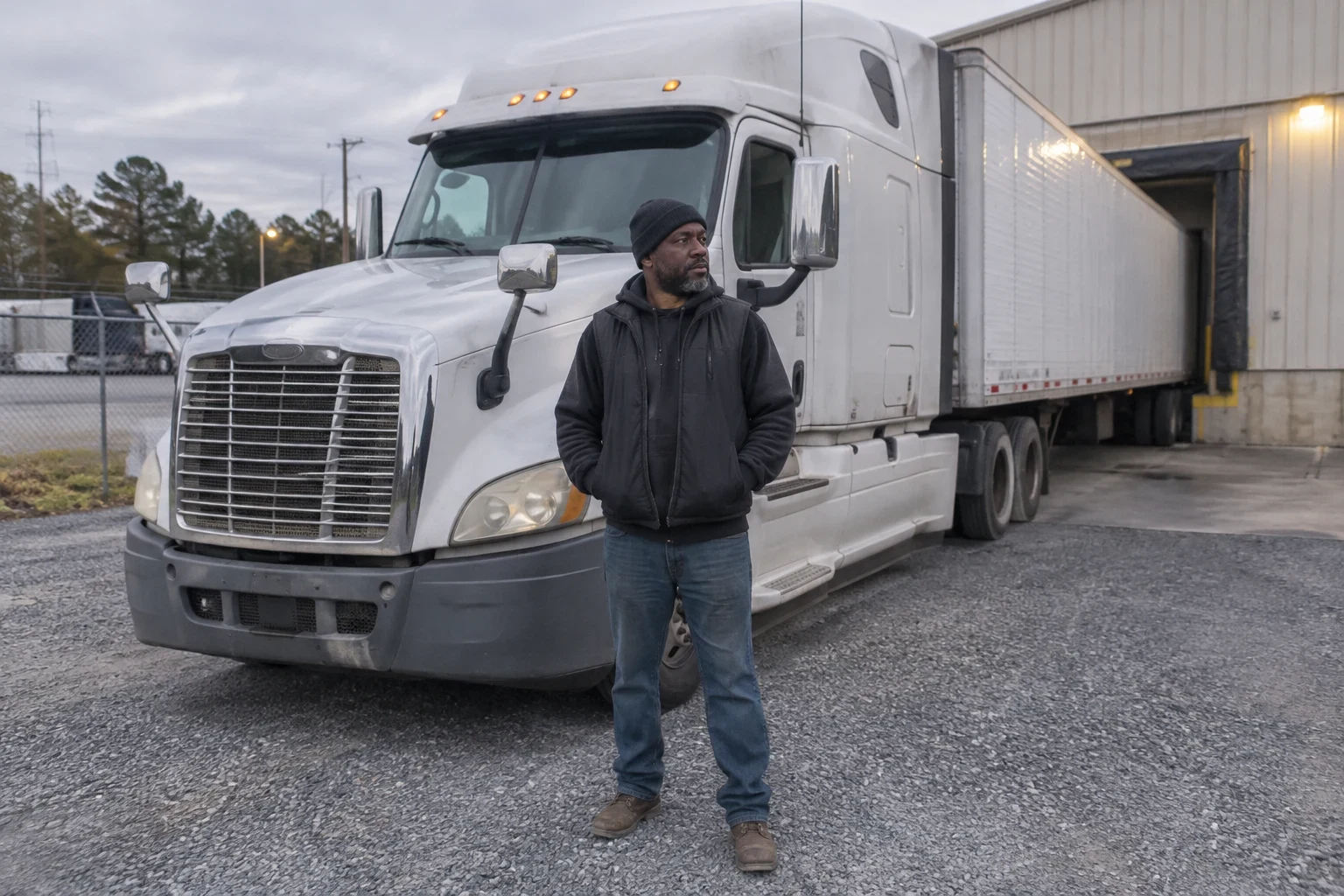
Know your timeline before you book the first load
Tell us about your trucks and your authority. We will lay out the coverage you need and a realistic schedule for quotes, filings and certificates.