ServicesFleet Truck Insurance
Fleet Truck Insurance in Mableton
When you run several trucks, the policy has to keep pace with units coming and going, drivers changing, and brokers asking for certificates. We build fleet coverage around a renewal calendar you can see in advance, and we tell you early when a carrier's timing shifts.

Coverage that matches the trucks you actually run
A fleet policy brings your trucks, trailers and drivers under one program instead of a stack of separate policies with different dates. It usually combines primary auto liability, physical damage on a schedule of units, motor truck cargo, and trailer interchange where you pull equipment you don't own. The schedule lists each VIN and its stated value, so a missing or outdated unit is the first thing we check.
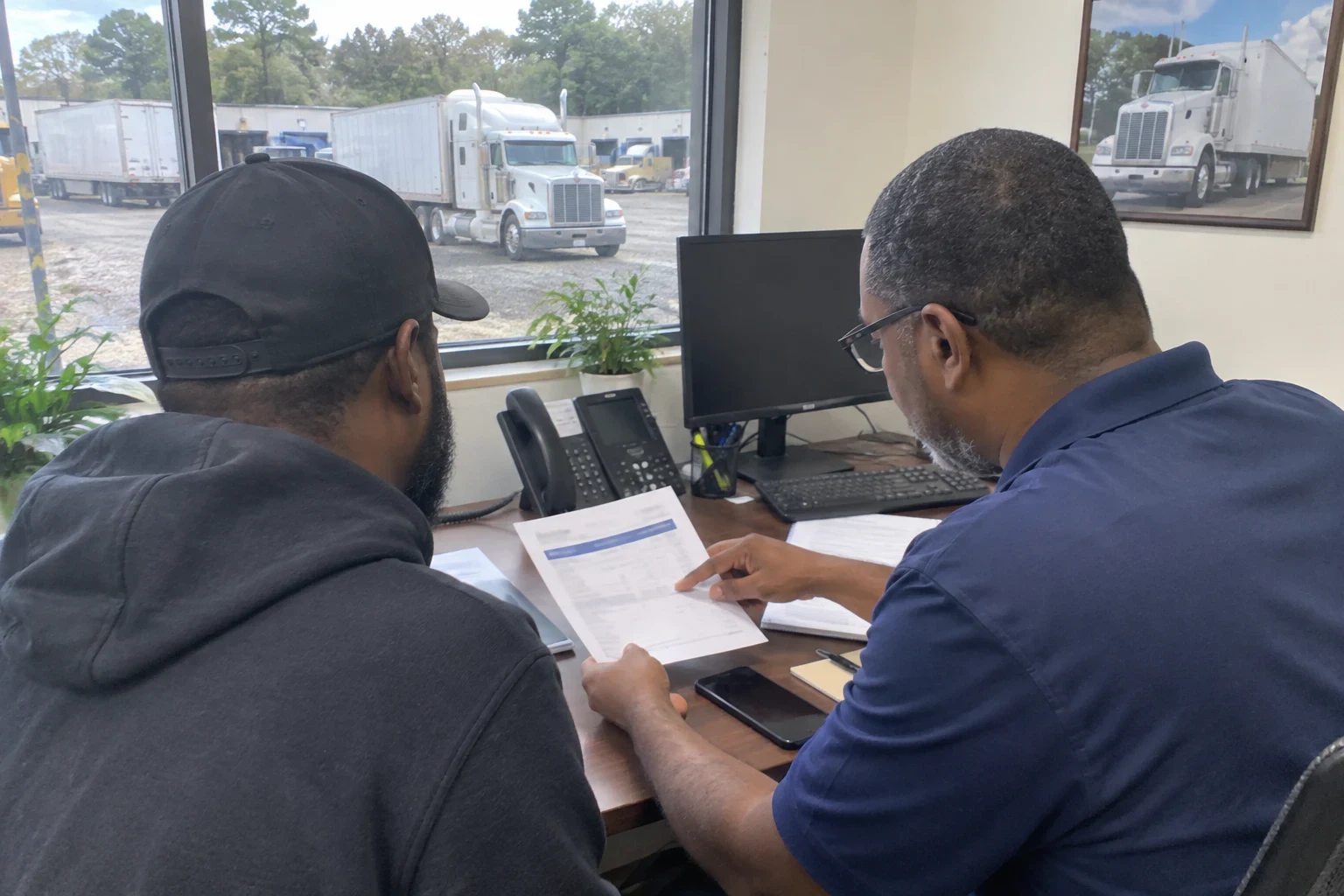
We are licensed for property and casualty insurance and have been in business 5 years, working with small and mid-size motor carriers around Mableton by phone, by video, or at our office. Our approach is simple: start early, give you realistic dates for each step, and call you when a carrier needs more time or more information.
What a fleet program covers
Auto liability for every power unit
Primary liability at the limits your contracts and your MC authority require, with the federal and state filings kept current.
Physical damage on a unit schedule
Each tractor, straight truck and owned trailer is listed with its VIN and stated value. We review those values at renewal so an older unit isn't overinsured and a new purchase isn't undervalued.
Cargo coverage by commodity
Limits and exclusions are matched to what you haul, including reefer breakdown or high-value loads where they apply.
Trailer interchange
For fleets that pull trailers under an interchange agreement.
Driver list management
We keep the approved driver list current. A new hire is submitted to the carrier before they drive, which avoids surprises at claim time.
Certificates of insurance
Brokers and shippers ask for certificates constantly. We track who needs one and issue them with the correct holder and limits.
Signs your fleet coverage needs attention
- Renewal is less than 60 days out
- Carriers often need a couple of weeks to return a fleet quote, and longer if they ask follow-up questions. Starting late leaves you choosing under pressure.
- Policies renew on different dates
- If liability, cargo and physical damage expire months apart, you spend the year chasing paperwork. Aligning them is often possible at the next renewal.
- You added or sold trucks this year
- Units bought mid-term that never made it onto the schedule are a common gap. So are sold trucks you're still paying for.
- Driver turnover has picked up
- Each new driver changes the risk the carrier priced. An outdated list can complicate a claim.
- A contract calls for higher limits
- Some shippers require more liability or cargo coverage than your current policy carries. We can quote the increase before you sign.
How we put your fleet program together
- 1
A first conversation
We talk by phone or video about your trucks, your lanes, your radius and what you haul. You'll leave the call with a list of what we need and a target date for each step.
- 2
Gathering the file
Expect to send a unit schedule, a driver list with license details, and three to five years of loss runs. Missing loss runs are the most common delay, so we request them from prior carriers early.
- 3
Quotes and a side-by-side review
We take your file to carriers that write fleets your size and walk you through the results line by line: limits, deductibles, exclusions and premium. If a carrier runs late, we tell you rather than leaving you to wonder.
- 4
Binding, filings and certificates
Once you choose, we bind coverage, confirm the required filings and issue certificates to the brokers and shippers on your list.
- 5
Changes during the year
When you add a truck, retire one or hire a driver, give us a call before the change takes effect. We'll explain what the carrier needs and how long endorsements usually take.
What moves the premium on a fleet policy
Fleet premiums are built unit by unit and driver by driver, then adjusted for your operation as a whole. We'll show you which factors carry the most weight in your quote so you can see where changes would help.
- Number and value of units
- More power units means more liability exposure, and stated values drive the physical damage portion.
- Driver records and experience
- Motor vehicle records, years of CDL experience and the age of each driver all matter. One driver with recent violations can affect the whole program.
- Loss history and safety scores
- Carriers read your loss runs and your DOT number's safety record closely. Clean years and a documented safety program help.
- Radius and commodities
- Long-haul and certain cargo types rate higher than local work hauling lower-risk freight.
- Limits and deductibles
- Higher deductibles lower the premium, but only make sense if your operation can absorb that amount after a loss.
Fleet insurance questions
- How far ahead of renewal should we start?
- Sixty to ninety days is a comfortable window for most fleets. That leaves room to collect loss runs, answer carrier questions and compare quotes. Thirty days can work, but it leaves fewer options if a carrier declines.
- How many trucks count as a fleet?
- It varies by carrier, but many treat a few power units under one policy as a fleet. If you're moving from one or two trucks to more, we can explain how that changes underwriting and what to have ready.
- Can all our policies renew on the same date?
- Often, yes. We can short-term or extend a policy at renewal to bring liability, cargo and physical damage onto one date, and we'll explain any premium effect before you decide.
- What happens when we hire a new driver?
- Call us with the driver's details before they take a load. The carrier reviews the record and confirms approval, which usually takes a few business days. We'll tell you the expected timing on the call.
- Do we have to come to your office?
- No. Most fleet owners work with us by phone and video, and documents can be gathered on your schedule. You're welcome at the office if you'd rather sit down in person.
Put your next renewal on the calendar
Tell us how many units you run and when your current policies expire. We'll lay out a timeline that leaves room for quotes and decisions.