ServicesNon-Trucking Liability
Non-Trucking Liability (Bobtail) Insurance in Mableton
When you're leased to a motor carrier, their policy covers you under dispatch. Non-trucking liability covers the miles that aren't. We set it to the limits your lease asks for, tell you plainly when your certificate of insurance will be ready, and keep you posted if the timing shifts.
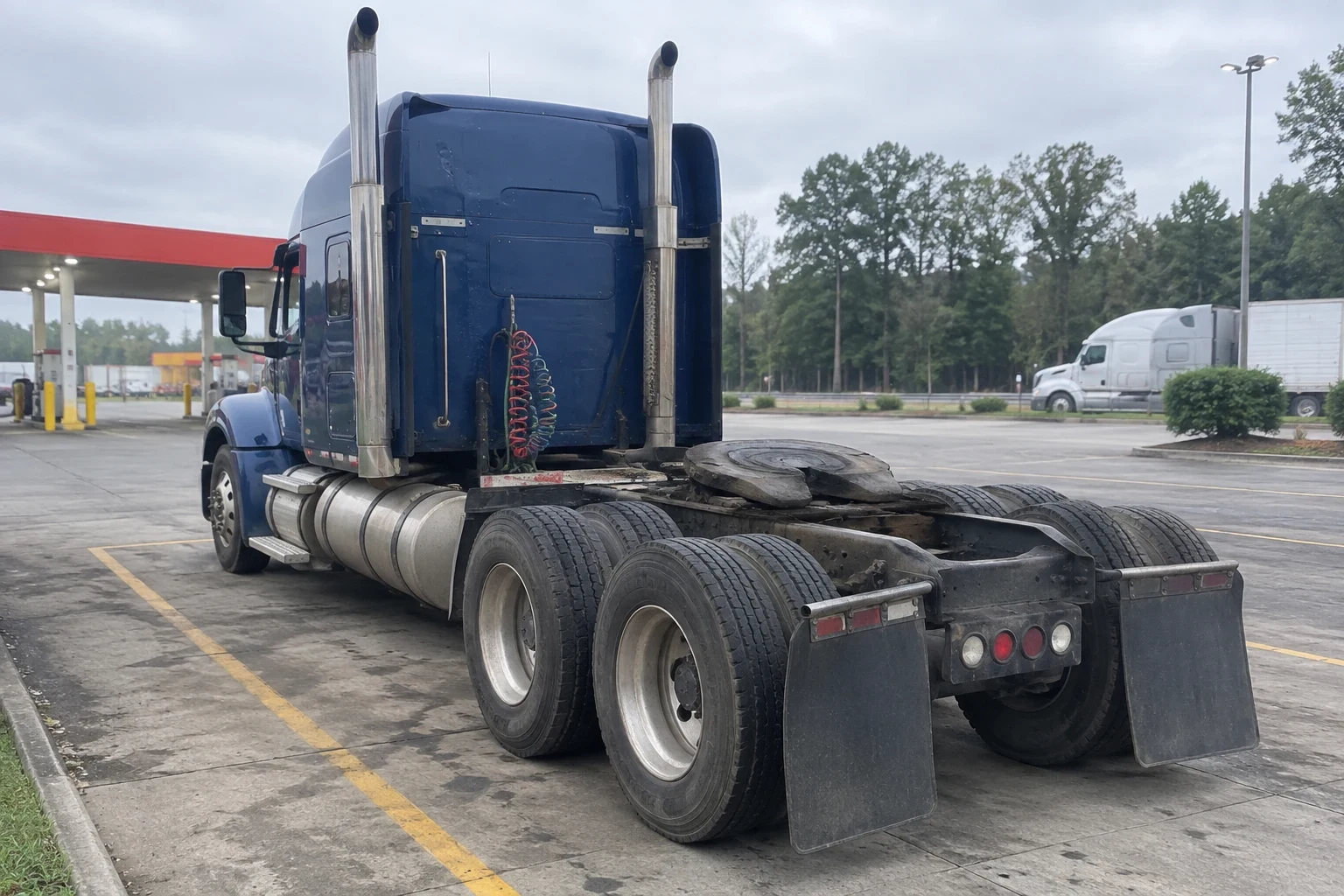
What bobtail coverage does, and where it stops
Non-trucking liability, often called bobtail insurance, is liability coverage for an owner-operator leased onto another company's MC authority. The motor carrier's primary auto liability protects you while you haul for them. When you take the truck off dispatch, to the shop, a truck wash or back to where you park it for the weekend, that protection usually ends. Non-trucking liability picks up there, covering injury and property damage you cause to others.
It is a narrow coverage, and the details matter. It does not cover your own truck; that is physical damage insurance. It does not cover freight; that is motor truck cargo insurance. It generally stops applying once you are under dispatch, even with no trailer attached. Some leases ask for unladen liability instead, which treats those empty, dispatched miles differently. We read your lease with you before we quote, so you buy the coverage it actually calls for.
We have been in business five years and hold a property and casualty insurance license. Most drivers who call us are trying to start a lease on a set date, so we give an honest read on how long underwriting and the certificate will take, and we call you if anything moves.
What we handle when we set up your policy
- A read of your lease agreement
- We look at the insurance section of your lease: required limits, whether the carrier must be listed on your policy or shown as certificate holder, and whether it calls for non-trucking or unladen liability. If the language is unclear, we tell you exactly what to ask the carrier.
- Limits that match the carrier's requirement
- Most carriers set a minimum limit. We quote to that number and show you what a higher limit would add, so the choice is yours.
- Your certificate of insurance
- Once the policy is bound, we issue the certificate to your carrier with their name and details correct. We tell you when to expect it and confirm when it has been sent.
- Coordination with physical damage
- If you also need physical damage on the tractor, we can quote it alongside so both policies start the same day and the vehicle details match.
- Updates when you switch carriers
- Leasing onto a new carrier means new certificate details and sometimes new limits. We update the policy and reissue the certificate instead of starting over.
Signs it's time to set up non-trucking liability
You're about to sign a lease
Most carriers won't dispatch a leased truck until your non-trucking certificate is on file. Starting the quote ahead of your start date keeps your first load from waiting on paperwork.
Your carrier asked for proof of coverage
A certificate request, or a note that yours is expiring, is the clearest sign. Call before the deadline, not on it.
The truck goes home or to the shop
If the tractor moves anywhere off dispatch, those miles need their own liability coverage. A personal auto policy almost always excludes a commercial truck.
You're changing carriers
Your current certificate names the old carrier. The new one will want its own, and possibly a different limit.
The names don't line up
Bobtail, non-trucking and unladen liability get used loosely. If your policy says one thing and your lease says another, a short call confirms you're covered for the miles you actually drive.
From first call to certificate on file
- 1
A conversation about your lease
By phone, video or at our office, we ask about your truck, where it's parked overnight, your driving record and the carrier you're joining. Having the lease and your CDL nearby shortens the call.
- 2
Quotes from markets that write it
We shop non-trucking liability with insurers that write it for leased owner-operators. We tell you up front roughly when options will come back, and if an underwriter asks for more information, we let you know right away.
- 3
Binding on your timeline
Once you choose, we bind the policy with a start date that fits your lease. Before you sign, we go over what it covers and what it leaves out.
- 4
Certificate to your carrier
We send the certificate of insurance and confirm the carrier received it. If they ask for a correction, we handle it and tell you when it's done.
- 5
Review before renewal
Ahead of each renewal we look at your lease and limits again, so the new term starts without a gap.
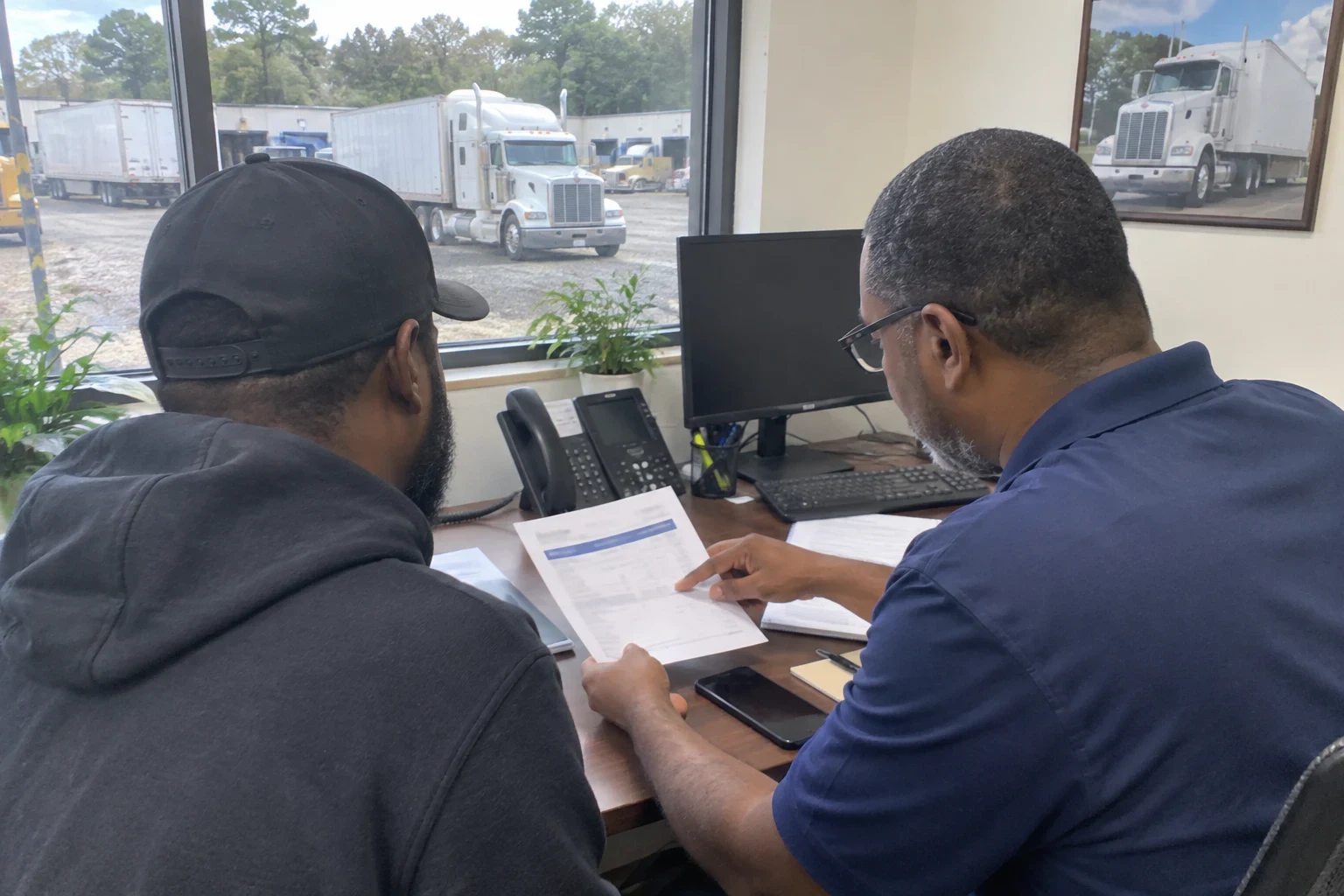
What shapes your non-trucking premium
Non-trucking liability is usually one of the smaller pieces of an owner-operator's coverage, because it only applies to off-dispatch miles. The premium still varies a good deal from one driver to the next. We explain each factor on your quote so the number makes sense before you commit.
- The limit your lease requires
- A higher required limit means a higher premium. We quote to what the carrier asks for and nothing they don't.
- Your driving record
- Violations, accidents and years holding a CDL weigh heavily. A clean record over several years helps more than anything else.
- Your truck and where it's garaged
- The tractor's type and age matter, and so does where it sits overnight. Garaging in the Atlanta metro is priced differently than in rural parts of Georgia.
- Coverage history
- Continuous insurance with no lapses usually prices better than a gap between policies.
Questions owner-operators ask about bobtail coverage
Something not covered here? (770) 338-6428
Is bobtail insurance the same as non-trucking liability?
People often use the names interchangeably, and many policies sold as bobtail are non-trucking liability. Strictly speaking, bobtailing means driving without a trailer, while non-trucking liability is about driving off dispatch. What matters is the wording in your policy and your lease, and we check both.
Am I covered while deadheading to pick up a load?
Usually not under non-trucking liability. Once you're under dispatch, even empty or without a trailer, most policies stop applying and the carrier's primary liability is expected to respond. Some leases ask for unladen liability to address those miles, so we read the lease before recommending either.
Can I use the truck for personal errands?
Yes, off-dispatch personal use is what this coverage is built for. It does not cover hauling for anyone other than the carrier you're leased to. Hauling for a second company calls for a different arrangement.
How long until my carrier has the certificate?
It depends on your record, the documents you have ready and how quickly the underwriter reviews the file. On the first call we give you a realistic estimate based on your situation. If anything changes along the way, we call you instead of leaving you to wonder.
Do I need this if I run under my own authority?
No. Under your own MC authority you need primary auto liability, which covers loaded and empty miles alike. Non-trucking liability is for drivers leased to someone else's authority. Our Owner-Operator Truck Insurance and New Authority Truck Insurance pages cover that setup.
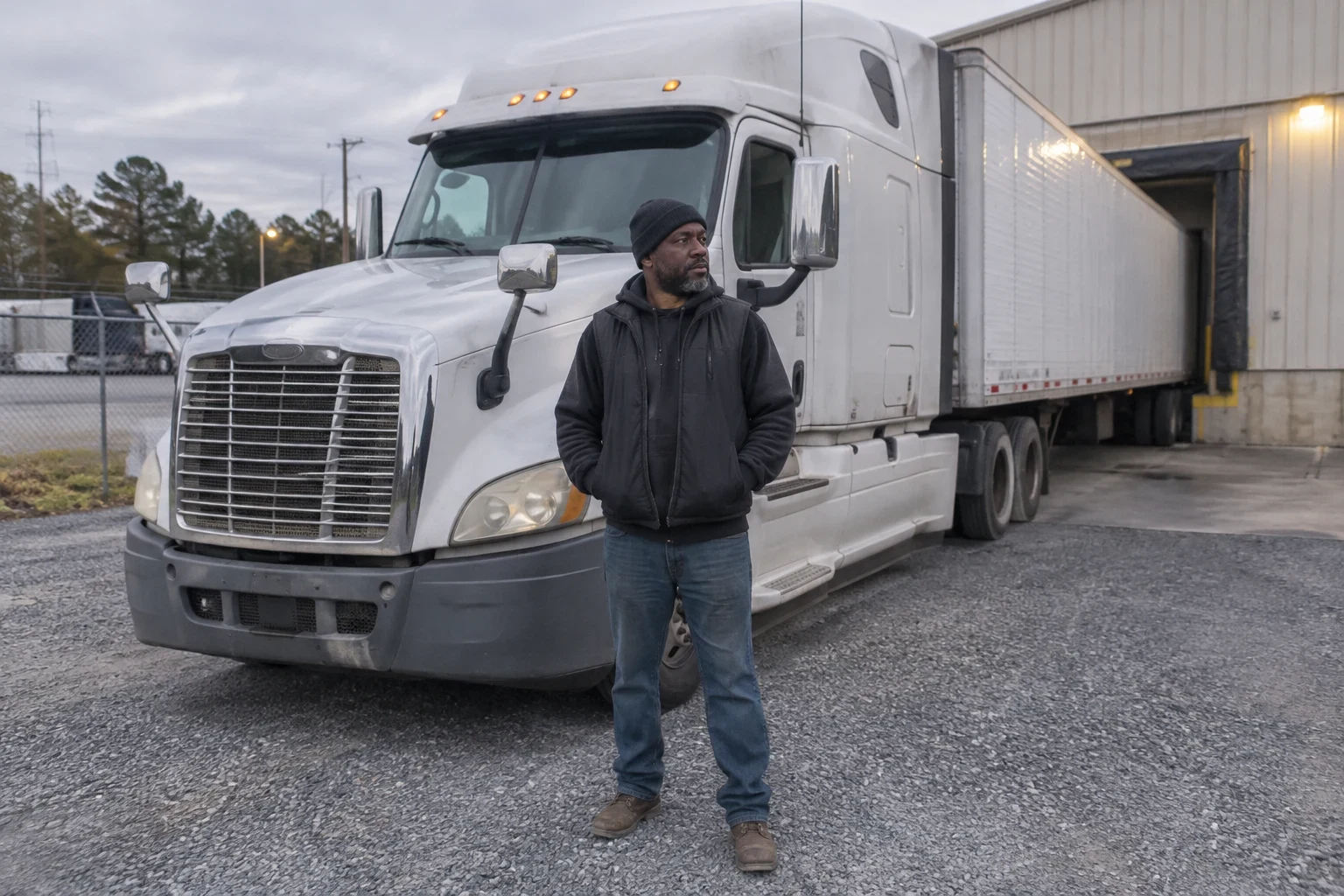
Line up coverage before your lease start date
Tell us when your lease begins and which carrier you're joining. We'll work back from that date, give you a timeline you can plan around, and keep you updated until the certificate is on file.