ServicesOwner-Operator Insurance
Owner-Operator Truck Insurance in Mableton
You run one truck and every week counts. We set up owner-operator coverage around how you actually work, leased on or under your own authority, and we tell you up front how long each step takes so you can plan loads around it.
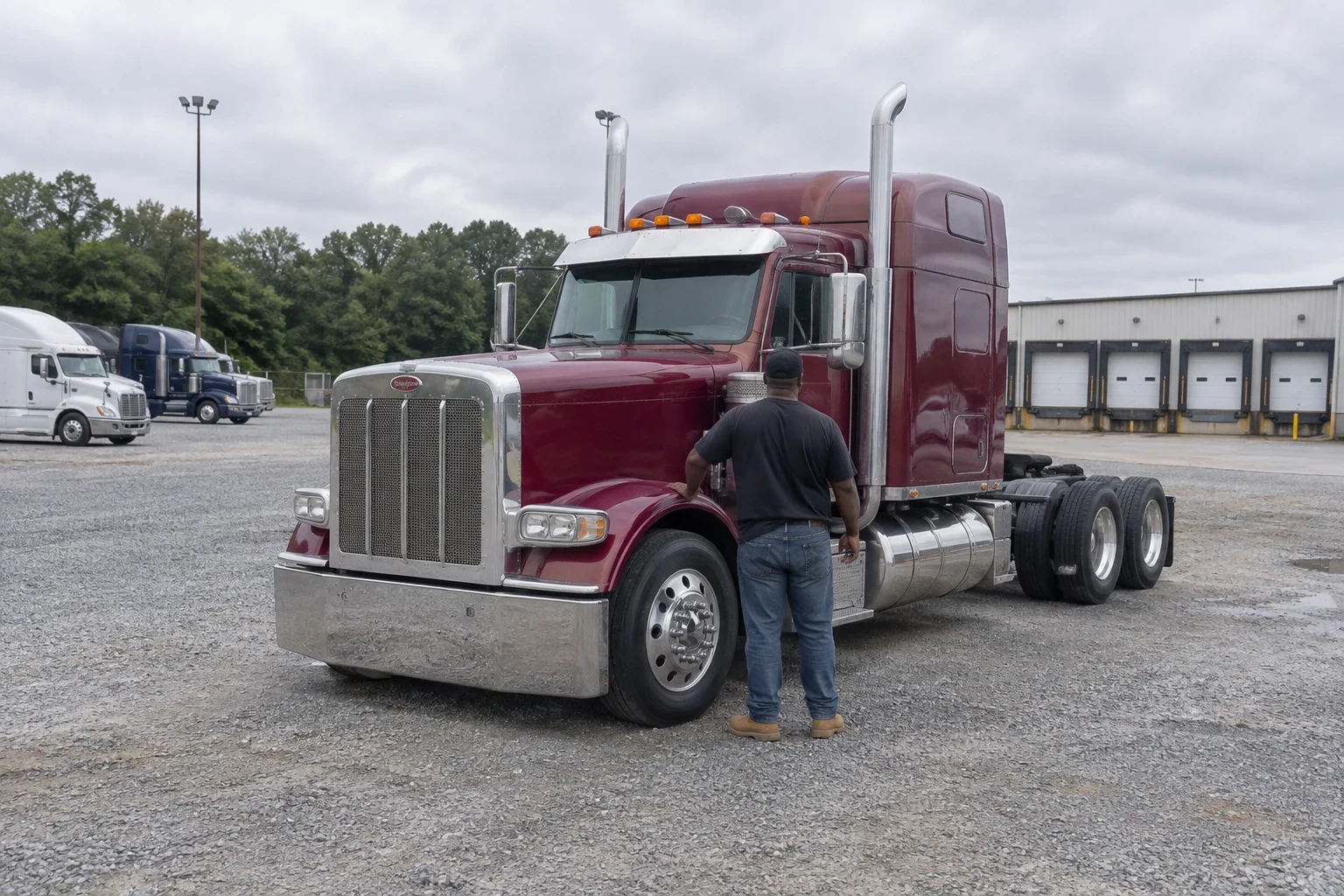
Coverage shaped by how you haul
The right policy depends on one question first: are you leased to a motor carrier, or running under your own MC authority? A leased owner-operator usually rides on the carrier's primary liability while under dispatch, so the gaps are bobtail time, your truck itself and anything the lease agreement puts on you. With your own authority, the liability, cargo coverage and federal filings all become yours.
We read the lease or your operating setup before we quote anything. That keeps you from paying for coverage the carrier already carries, and from missing coverage the lease quietly requires.
We have been in business 5 years and are licensed for property and casualty insurance. Most owner-operators we work with are based around Mableton and the west side of the metro, and we meet at our office or by phone and video, whichever fits your schedule.
What an owner-operator policy can include
- Non-trucking liability
- Covers you when the truck is used outside dispatch, such as driving home or to the shop. Most carrier leases ask for it, and our Non-Trucking Liability (Bobtail) Insurance page explains the details.
- Physical damage
- Pays to repair or replace your tractor after a collision, fire or theft. If the truck is financed, we list the lender as loss payee so the paperwork matches what they require.
- Primary liability for your own authority
- Once you run under your own MC authority, you carry the liability the law requires and we handle the filings tied to your DOT number.
- Cargo coverage
- Brokers and shippers often set a minimum cargo limit before they will tender a load. We match the limit and the commodity list to the freight you really haul.
- Certificates of insurance
- When a carrier, broker or lender needs a certificate of insurance, we issue it and tell you when to expect it rather than leaving you guessing.
Signs it is time to review your coverage
You are signing a new lease
Every carrier writes its insurance requirements differently. Bring the lease agreement and we will line your policy up with it before your start date.
You plan to get your own authority
Leaving a lease changes almost everything about your coverage. Starting the conversation a few weeks early gives underwriters time and keeps your first load from waiting on paperwork.
You bought or refinanced a truck
Lenders want physical damage coverage with the right stated value and loss payee before they release funds.
A broker rejected your certificate
That usually means a limit, a commodity or a named party is off. It is a quick fix once someone reads the requirement closely.
Your renewal jumped without explanation
We review what changed, from driving record to radius, and see whether the policy still fits your operation.
How we set it up, step by step
- 1
A first conversation
We talk through your truck, your lanes and what you haul, and we ask if you are leased to a carrier or running your own authority. This usually takes about half an hour by phone or video.
- 2
Gathering the details
We ask for your CDL, the VIN, your lease agreement if you have one and any prior loss runs. You get one clear list, not a stream of follow-up requests.
- 3
Quoting with a realistic window
Underwriters review driving records and experience before they price a truck. We give you an honest window for the quote and update you if an underwriter asks for more or the timing moves.
- 4
Review and start date
We go through the options side by side, explain deductibles and limits in plain terms, and set a start date that lines up with your lease or first load.
- 5
Filings and certificates
Once coverage is bound, we handle the required filings and send certificates to the parties who need them.
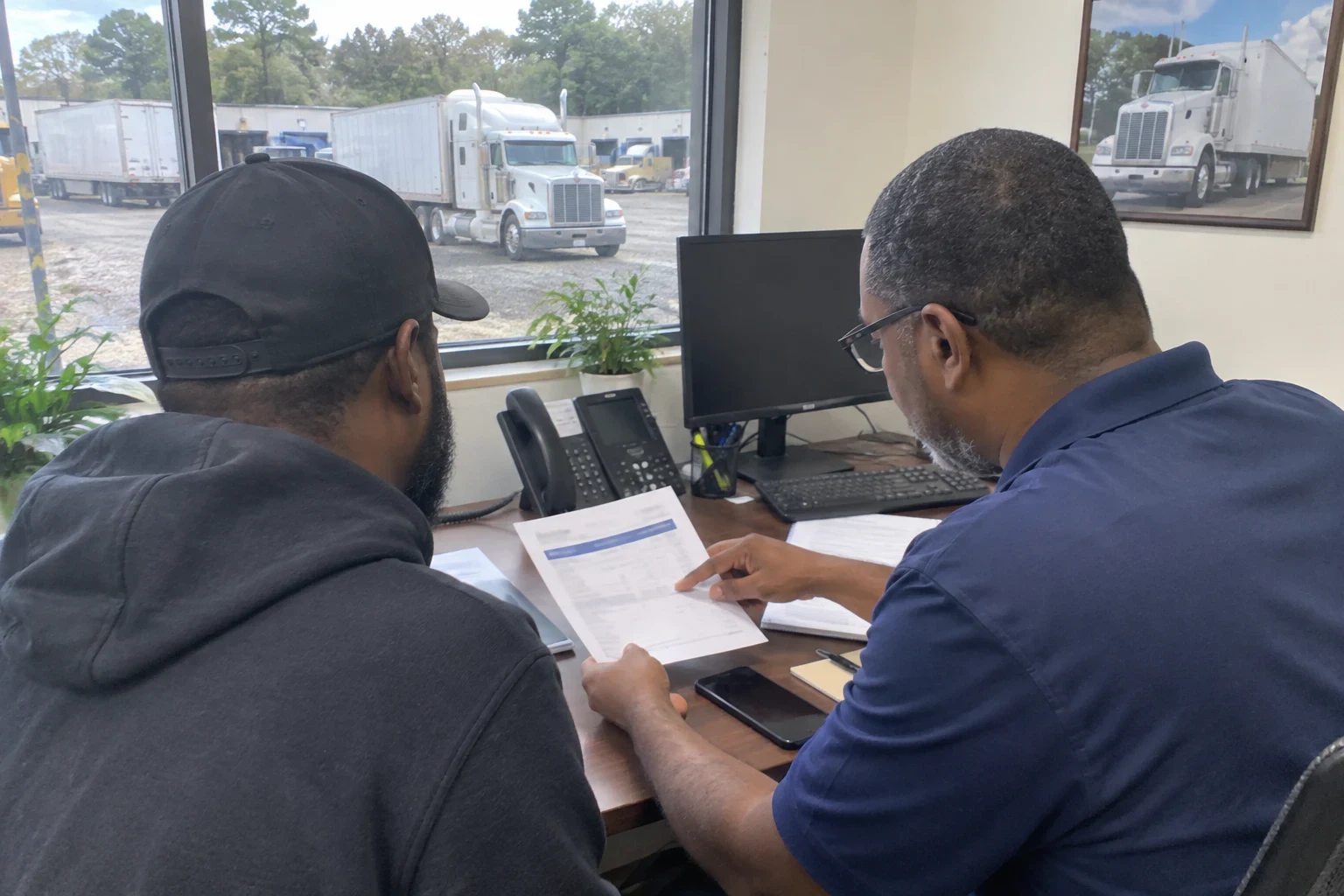
What moves your premium
Owner-operator premiums vary widely, and we would rather explain why than quote a figure that does not hold. These are the factors underwriters weigh most for a single-truck operation. We point out which ones you can influence.
- Driving record and CDL experience
- Years behind the wheel of a commercial truck and a clean record carry real weight. Newer drivers can still find coverage, though the choice of markets is narrower.
- Leased or own authority
- Leased operators often need only bobtail and physical damage, which is a smaller policy than full primary liability and cargo.
- Truck value and deductible
- Physical damage is priced on the stated value of the tractor. A higher deductible lowers the premium but raises what you pay out of pocket after a loss.
- Radius and freight
- Long-haul lanes and higher-risk commodities cost more to insure than regional, low-value freight.
- Loss history
- Prior claims follow you. Clean loss runs from a previous carrier help us find better options.
Owner-operator questions we hear often
Something not covered here? (770) 338-6428
I'm leased to a carrier. Do I still need my own insurance?
Usually yes. The carrier's liability typically covers you only while under dispatch, so most leases require non-trucking liability and physical damage on your truck. We read the lease to confirm exactly what it asks for.
How long does it take to get a quote?
It depends on how complete your information is and how quickly underwriters review it. We give you a realistic window at the start and let you know right away if anything shifts, so you can plan your loads around it.
Can I switch from a lease to my own authority partway through the year?
Yes. Your coverage needs change significantly, so we recommend calling several weeks before your target date. That leaves time for quoting, filings and certificates before you take your first load.
My truck is financed. What does my lender need?
Most lenders require physical damage coverage with them named as loss payee, and some set a maximum deductible. Send us the lender's requirements and we will make sure the policy and certificate match.
Do I have to come to your office?
No. Many drivers meet with us by phone or video between runs. If you would rather sit down in person, our office is in Mableton.
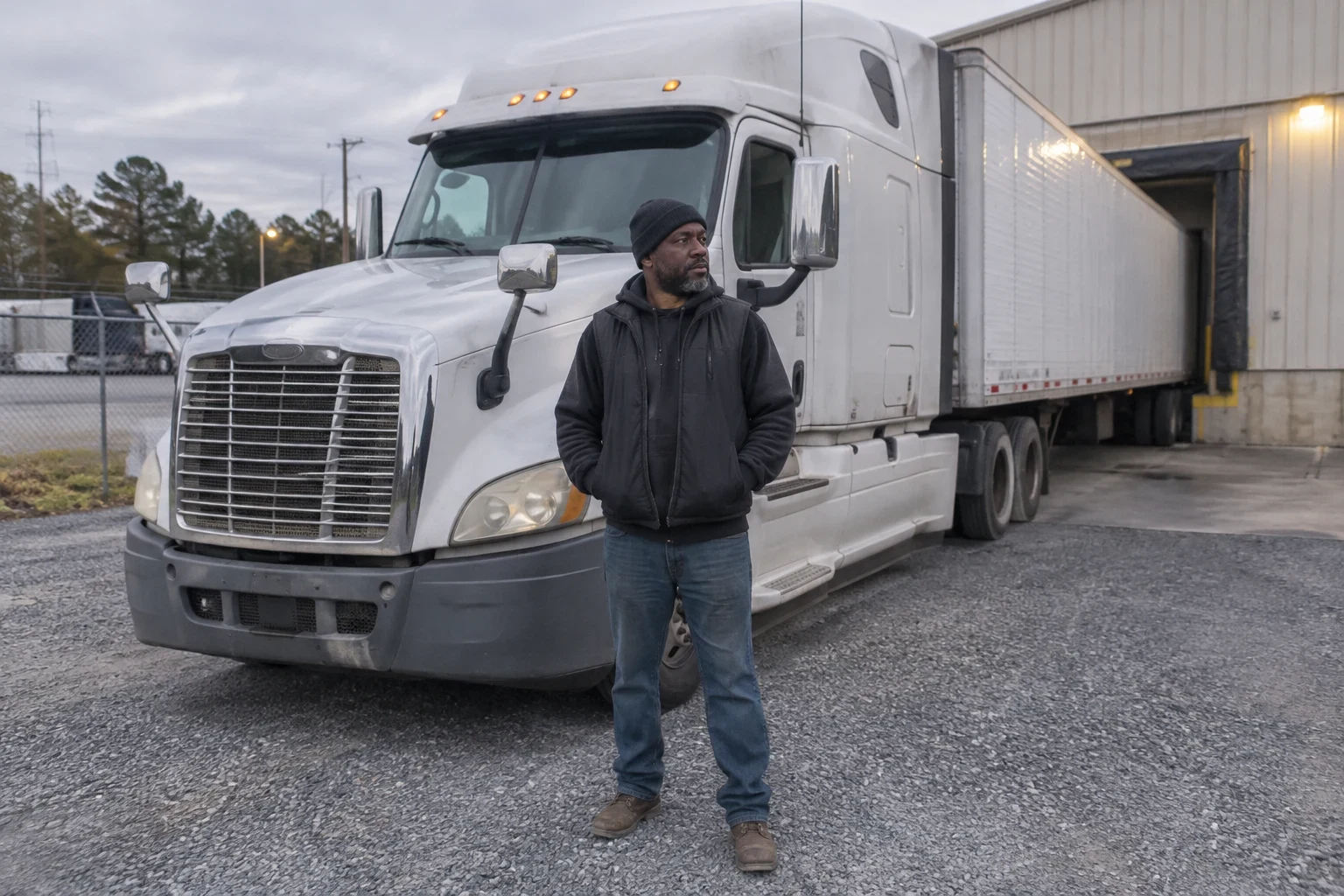
Plan your coverage around your next load
Tell us how you run, and we will lay out what you need and how long each step should take. You will know where things stand before you commit to a start date.