ServicesNew Authority Truck Insurance
New Authority Truck Insurance in Mableton
Your MC authority does not go active until the right insurance filing reaches the FMCSA. We place coverage for first-year motor carriers, file it, and give you a realistic date for your first load, with updates if an underwriter slows things down.

Coverage that turns a pending MC number into an active one
When you apply for operating authority, the FMCSA waits for two things before your MC number becomes active: proof of liability insurance, filed electronically by the insurance company, and a process agent filing. Until the liability filing lands, you can hold a DOT number and a truck and still not legally haul for hire across state lines.
New authority truck insurance is the package that gets you there: primary auto liability with the federal filing, plus the cargo coverage and physical damage protection that brokers and lenders usually ask for. Many insurance companies decline new ventures outright, so part of our work is knowing which markets will write a first-year carrier and what each one needs to see.
We have been in business 5 years and are licensed for property and casualty insurance. Our focus here is timing. You are paying on a truck and turning down loads while you wait, so we tell you plainly how long each step tends to take and call you when something changes.
What we set up for a new authority
- Primary auto liability
- The coverage the FMCSA requires before your authority activates. We confirm the limit fits the freight you plan to haul and the brokers you plan to work with, since many ask for more than the federal minimum.
- The federal liability filing
- Once the policy is bound, the insurance company files proof of coverage with the FMCSA. We confirm it was submitted and watch for it to post, then let you know when it shows on your record.
- Motor truck cargo
- Most brokers will not load you without cargo coverage. We match the limit and commodity list to what you actually haul, so a reefer load or a high-value shipment is not quietly excluded.
- Physical damage
- Collision and comprehensive for your tractor and trailer. If the truck is financed, the lender will name the deductible range and expect to be listed on the policy.
- Certificates of insurance
- Brokers and shippers want a certificate before they tender a load. We issue them as you sign on with each one, so setup packets do not sit waiting on paperwork.
- Related coverage when it fits
- Trailer interchange, non-trucking liability for leased-on drivers, or general liability if a customer requires it. We bring these up only when your operation calls for them.
Signs it is time to set this up
Your MC number shows pending
The FMCSA has your application, but your status will not change until insurance is on file. This is the moment to start, not after the waiting period ends.
You are leaving a lease
Hauling under another carrier's authority meant their policy covered you. Running under your own MC means your own liability, cargo and filing, and your bobtail policy will no longer be enough.
A broker asked for your certificate
If you are already lining up freight and setup packets ask for a certificate of insurance, the coverage needs to be bound first.
Your authority went inactive
A lapse or cancellation pulls the filing, and the FMCSA can revoke authority. Reinstating means new coverage and a fresh filing, and underwriters will ask what happened.
You are buying your first truck
Lenders want physical damage coverage in place before they fund. Starting the insurance conversation early keeps the purchase and the authority on the same schedule.
How it works, step by step
- 1
A first conversation
We talk by phone, by video, or at our office about your truck, your CDL experience, what you plan to haul and how far. We also give you an honest sense of how long quoting is likely to take for your situation.
- 2
Gathering your details
We will ask for your DOT and MC numbers, driver license and motor vehicle record, the VIN and value of each unit, and any prior loss runs. Having these ready is the single biggest thing that shortens the wait.
- 3
Quotes from markets that write new ventures
We take your details to insurance companies that accept first-year carriers. If an underwriter comes back with questions or asks for a driving history detail, we call you the same day we hear, along with what it means for your timeline.
- 4
Review, bind and file
We walk through each quote line by line, including deductibles, exclusions and the down payment. Once you choose, we bind the policy and the insurance company sends your federal filing to the FMCSA.
- 5
Confirmation and certificates
We watch for the filing to post on your FMCSA record and let you know when it does. Then we issue certificates to your brokers so you can start booking freight.
What shapes a new authority premium
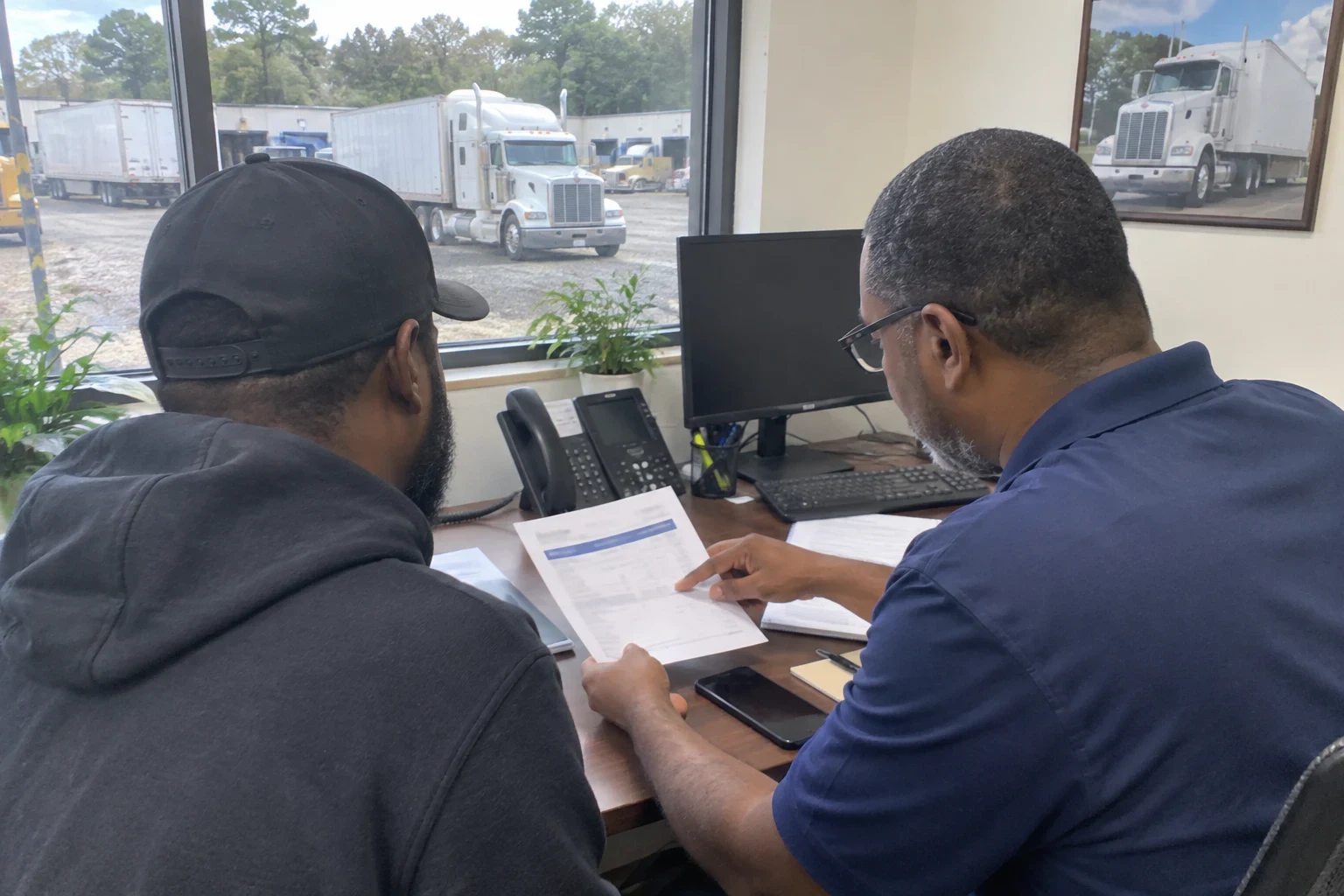
A first-year carrier has no history under its own authority, so underwriters lean heavily on the driver and the operation. Premiums for new ventures run higher than for established carriers and usually ease as you build a clean record. We explain where your number comes from so nothing in the quote is a mystery.
- Driving experience and record
- Years holding a CDL and a clean motor vehicle record matter more than almost anything else. Many markets want to see at least a couple of years of verifiable commercial driving.
- What you haul and how far
- Commodity and radius both move the price. Long-haul runs and freight with higher theft or spoilage risk cost more to cover than short local routes.
- Your equipment
- The age, value and type of truck and trailer set the physical damage cost, and the deductible you choose shifts it further.
- Limits brokers require
- Higher liability and cargo limits open more freight but raise the premium. We help you weigh what your target brokers actually ask for.
- Where the truck is garaged
- Location affects rates. A unit garaged around Mableton and the west side of Atlanta is rated differently than one parked in a rural county.
New authority questions we hear often
Something not covered here? (770) 338-6428
How long until my authority is active?
It depends on how quickly coverage is bound and how fast the filing posts, plus the FMCSA's own review period. Once the insurance company files proof of coverage, it typically appears on your record within a few business days. We give you a realistic window up front and update you if anything shifts.
Can I get coverage with no trucking experience?
Options are limited. Most markets that write new ventures want verifiable CDL experience, and some will not quote a driver with less than a couple of years behind the wheel. We will tell you honestly what is available rather than leave you waiting on applications that will not come back.
Do I need cargo coverage if the FMCSA does not require it?
For most general freight, the federal requirement is liability only. In practice, nearly every broker and shipper asks for cargo coverage before they load you, so we usually include it from the start.
What happens if my policy lapses?
The insurance company notifies the FMCSA, and your authority can be revoked. Getting it back means new coverage and a new filing, and it can make your next quote harder. We remind you ahead of renewals and payment dates so a lapse does not catch you off guard.
Will my premium go down after the first year?
Often it does, if you keep a clean record and steady operation. A year of loss-free history under your own authority opens more markets. We review your coverage at renewal and shop it again when it makes sense.
Know your timeline before you book a load
Tell us where your application stands and what you plan to haul. We will lay out each step, how long it tends to take, and what we need from you to keep it moving.